
Top 10 Principles for Sustainable Manufacturing in the Natural Stone Industry
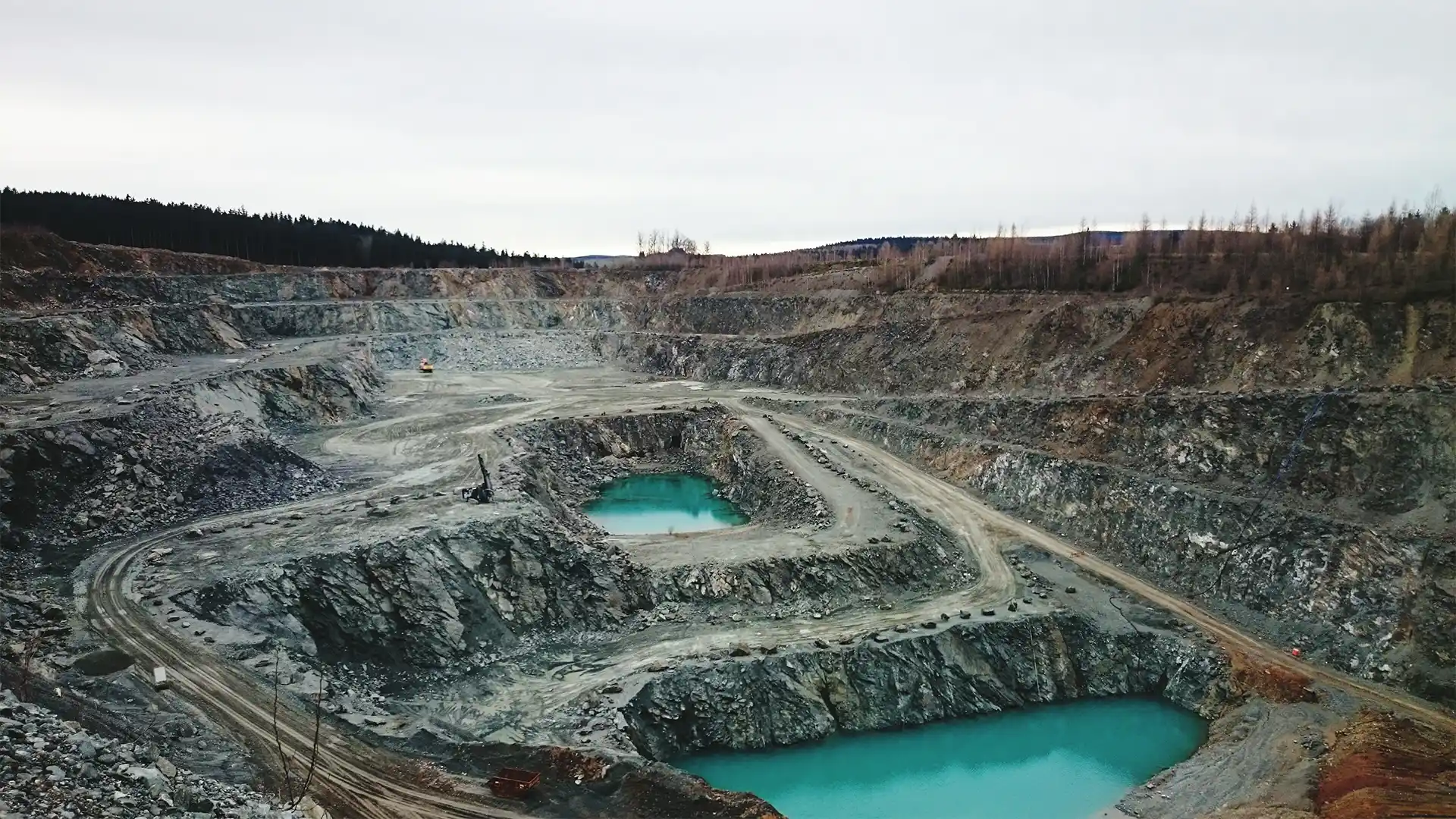
As sustainability takes centre stage in modern construction and design, the natural stone industry is evolving to meet environmental and ethical responsibilities. While natural stone is inherently more sustainable than many manufactured materials, its extraction, processing, and transportation must align with best practices to minimise environmental impact.
From responsible quarrying to energy-efficient production, sustainable manufacturing in the natural stone industry requires a holistic approach. Here are the top 10 principles that can guide the industry towards a greener future.
Sustainable stone production begins at the source. Ethical quarrying practices ensure that stone is extracted responsibly, minimising ecological disruption and preventing over-extraction. Many modern quarries follow strict regulations that require land restoration, ensuring that sites are rehabilitated after extraction through reforestation, water management, and biodiversity conservation.
Reducing waste is a key element of sustainability in the stone industry. Advanced cutting techniques, such as diamond wire saws and precision extraction, optimise quarry yields by minimising unusable material. Additionally, offcuts and smaller stone fragments can be repurposed for aggregate, paving, or decorative elements, ensuring minimal material goes to waste.
Processing natural stone – cutting, shaping, and finishing – requires energy. Manufacturers committed to sustainability invest in energy-efficient machinery, reduce reliance on fossil fuels, and integrate renewable energy sources such as solar or hydroelectric power into their production processes. Water recycling in stone-cutting facilities is another critical step, as it significantly reduces water consumption while maintaining efficiency in operations.
Transporting stone over long distances contributes to carbon emissions. Sustainable practices encourage sourcing stone from local or regional quarries, reducing the energy required for transportation. This approach also supports local economies and ensures a lower overall environmental impact.
The final finishes applied to natural stone should align with sustainability principles. Many traditional sealing and polishing methods involve chemicals that can harm the environment. Instead, manufacturers are now adopting:
• Low-VOC (Volatile Organic Compound) sealants
• Water-based treatments
• Natural polishing methods, such as honing or sandblasting, which eliminate the need for synthetic coatings
Natural stone is one of the few building materials that can be fully reclaimed and repurposed without losing its integrity. Old stone structures, slabs, and tiles can be cut, reshaped, or refinished for new projects, reducing the demand for newly quarried material. Many manufacturers now incorporate recycled stone into new products, ensuring that the material’s lifecycle extends beyond its original use.
Water is essential in stone-cutting and polishing, but excessive water use can lead to resource depletion. Sustainable stone manufacturers have implemented closed-loop water recycling systems that purify and reuse water multiple times, dramatically reducing overall consumption. Additionally, advanced techniques such as dry cutting and dust collection systems reduce water dependency while maintaining quality and efficiency.
Many sustainable manufacturers align their practices with internationally recognised green building certifications, such as:
• LEED (Leadership in Energy and Environmental Design)
• BREEAM (Building Research Establishment Environmental Assessment Method)
• Green Building Standard certifications in various countries
These certifications ensure that stone products meet stringent environmental and ethical guidelines, making them a preferred choice for eco-conscious architects and designers.
Sustainability extends beyond environmental impact – it also includes ethical labour practices. Responsible stone manufacturers:
• Ensure safe working conditions in quarries and factories
• Provide fair wages and ethical employment
• Uphold strict policies against child and forced labour
Consumers and businesses increasingly demand ethically sourced materials, making fair labour practices a crucial component of sustainable manufacturing.
Manufacturers, architects, designers, and consumers all play a role in promoting sustainability. Stone producers committed to greener practices engage in:
• Educational initiatives to inform buyers about eco-friendly stone sourcing
• Transparency in production methods, providing environmental impact assessments
• Encouraging end-users to opt for recycled stone or low-impact processing options
By fostering awareness, the industry can shift towards a more sustainable future where natural stone remains a responsible and enduring choice.
Building a Sustainable Future with Natural Stone
Sustainability in the natural stone industry is not just about reducing environmental impact but about creating a long-term, responsible approach to quarrying, production, and usage. By adhering to these ten principles, the industry can balance timeless beauty with environmental stewardship, ensuring that future generations can continue to benefit from this remarkable material.
As demand for sustainable building materials grows, natural stone remains a frontrunner—not only for its strength and elegance but also for its potential to be one of the most eco-friendly choices in modern construction.