
Sandstone for Landscaping
Modern landscaping designs often incorporate sandstone, mainly because of its balance of strength, versatility and natural beauty. Homeowners, landscape designers, architects and contractors seeking a combination of durability and visual appeal in outdoor spaces, whether it is a garden pathway, a patio or a commercial landscape, opt for the rugged yet elegant sandstone.
Its earthy tones and organic textures enable sandstone to blend into the natural outdoor environment, and its durability further supports this.
India is one of the leading sources of high-quality quartzitic and natural sandstone, and suppliers like Stonestry offer expertly quarried, custom-finished stone suitable for both indoor and outdoor applications.
Why is Sandstone Ideal for Landscaping Projects?
For architects and Interior designers creating designs that require a robust combination of functionality and aesthetics, Sandstone is the ideal choice.
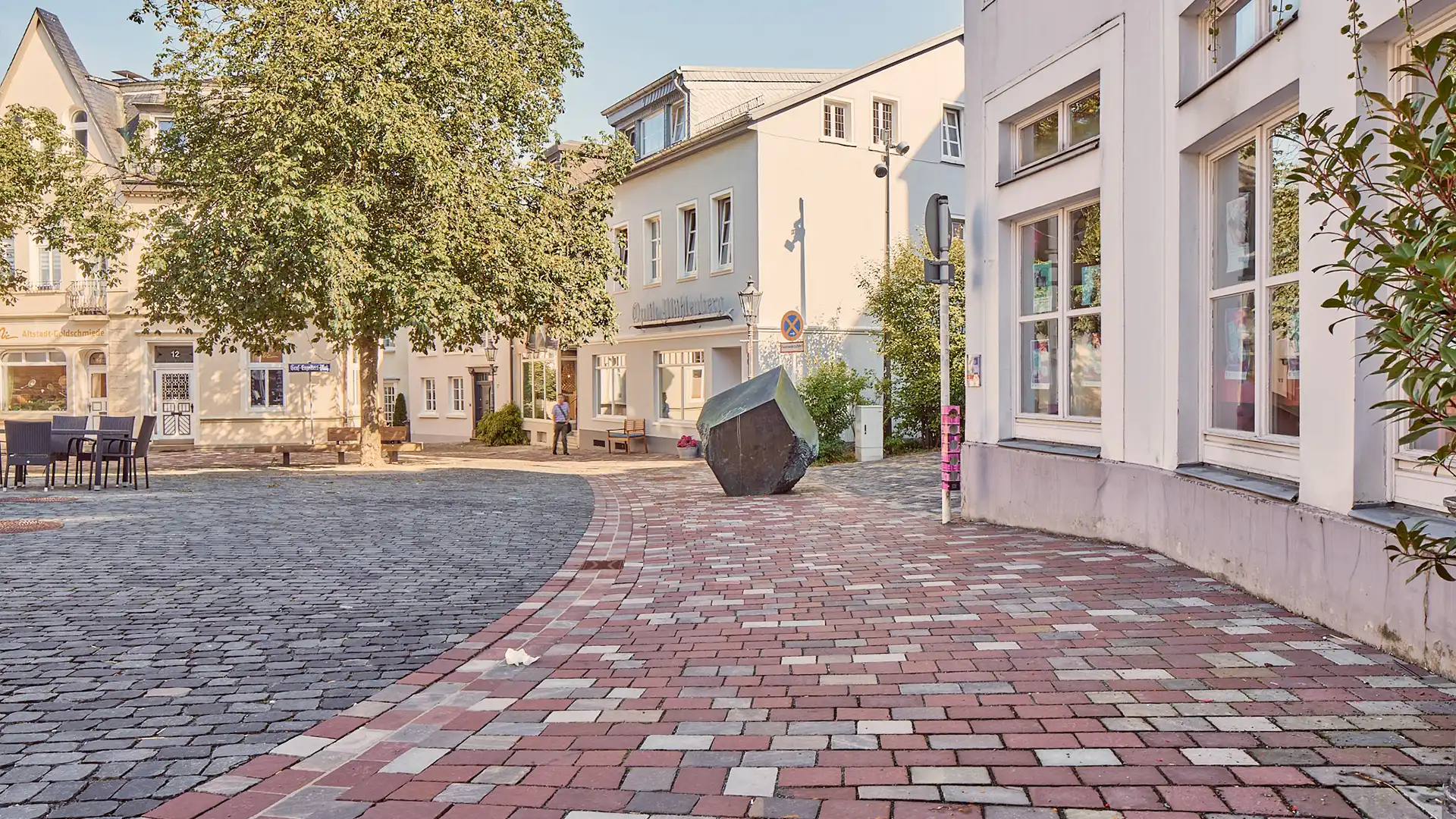
- Natural Look: When creating a pristine look, sandstone enhances the visual appeal of the natural environment with its soft, earthy colours, from off-white and beige to grey and reddish-brown, and integrates naturally with plants, soil, and water features. The resultant look and feel is more organic than artificial.
- Durability: Substances such as concrete appear to crack or stain over time, while sandstone retains its appearance for decades. This strength and the ability to retain its original appearance make sandstone a good choice for landscaping.
- Weather Resistance: Quartzite sandstone is resistant to natural weather and thermal changes. Its structural robustness prevents it from cracking and degrading easily, making it suitable for year-round use.
- Anti-Slip: Sandstone’s naturally textured surface, especially in sanded, matte, and leather finishes, provides excellent grip even when wet. This makes it ideal for areas such as pool surrounds, pathways, and patios.
Key Applications of Sandstone for Landscaping
The inherent characteristics of sandstone make it versatile, and interior designers love it for its versatility. It can be used for landscaping in a variety of ways:
- Garden Pathways: Garden pathways are commonly made using sandstone. As flagstones, stepping stones, or paving tiles, sandstone’s hues and textures blend naturally with the greenery, making the pathway feel like an extension of the landscape.
- Patios and Outdoor Seating Areas: Patios and outdoor seating areas made with sandstone are ideal, especially in warm climates, as the nature of the stone ensures it remains relatively cool even in high temperatures.
- Pool Areas: Pool areas require something that is slip-resistant, and sandstone in the right finish is an excellent choice for pool decks and wet areas
- Driveways and Walkways: Driveways and walkways made of sandstone, particularly quartzitic sandstone, offer the strength required to handle foot traffic and heavy vehicles. It also enhances curb appeal with its natural and premium finish.
Sandstone Finish Guide: Aesthetics and Performance
The finish of sandstone is a critical specification that balances the space’s visual “vibe” with its practical safety.
| Finish Type | Visual Appearance | Texture and Feel | Primary Application |
| Natural Split | Raw, organic, and rugged | Uneven surface provides excellent natural grip | Garden paths, informal outdoor spaces, and rustic walls |
| Honed | Sophisticated, sleek, and matte | Smooth and flat; non-reflective | Modern interior flooring, verandas, and low-moisture accents |
| Antiqued | Aged, weathered, and historic | Softened surface | Traditional landscapes, heritage courtyards, and “old-world” charm |
| Sanded | Clean, uniform, and muted | Fine-grained and rough; slip-resistant | Pool surrounds, public walkways, and wet zones |
How to Choose the Right Sandstone for Landscaping?
Choosing the correct sandstone requires a balance between geological performance and architectural vision. Use this table to align material specifications with the project requirements.
| Selection Factor | Technical Requirement | Design Strategy | Best For |
| Climate Resilience | Low Water Absorption: Essential for humid or high-rainfall zones | Prevents moisture decay, salt efflorescence, and weathering | Coastal projects and tropical climates |
| Usage Area | Structural Integrity: Must match the functional load of the space | Differentiates between “pedestrian-only” and “vehicular-grade” stones | Driveways vs. garden bedding |
| Thickness and Strength | Load-Bearing Spec: 35mm–50mm for weight; 20mm–25mm for foot traffic | Ensures longevity and prevents cracking under pressure | Public plazas and heavy-traffic pathways |
| Colour and Theme | Tonal Palette: Ranging from cool greys to warm ochres and deep tans | Light: Modern/Open Warm: Traditional/Rustic Dark: Contemporary/Low-maintenance | Setting the emotional “mood” of the landscape |
Sandstone vs Artificial Landscaping Materials
When specifying materials for large-scale landscaping, architects must weigh aesthetic longevity against structural performance and budget.
| Comparison Factor | Sandstone | Concrete (Pavers/Poured) |
| Aesthetic Value | Organic and Unique: Each slab has distinct tonal shifts and textures | Uniform and Industrial: Lacks natural character; can feel “cold” |
| Durability and Ageing | Character-Building: Ages gracefully; develops a natural patina over time | Prone to Decay: High risk of cracking, fading, and staining over time |
| Workability | Versatile: Easy to cut into custom CAD shapes or monolithic blocks | Standardised: Limited to mould sizes or poured-in-place forms |
| Thermal Properties | Low Conductivity: Stays relatively cool under direct sunlight | High Heat Retention: Can become uncomfortably hot in summer |
| Cost-Efficiency | Balanced: Premium look at a more accessible price point than granite | Lower Initial Cost: High long-term cost due to maintenance/replacement |
Installation Tips for Sandstone Landscaping
Landscaping requires careful preparation and technical skill not only to preserve the stone’s natural look but also to improve its longevity.
- Prepare the Surface: To begin, ensure the surface is ready. What we need is a stable, compacted, and debris-free base to prevent issues like sinking, cracking, or uneven surfaces after installation.
- Proper Sealing: Sealing is critical to landscaping. The sealant acts as a protective barrier, helping to reduce water absorption, prevent stains, and protect against weather damage.
- Drainage: Landscaping also requires good drainage. The aim is to ensure water flows away from the surface and does not percolate beneath it, reducing the risk of damage, erosion, and long-term structural problems.
Why Choose Stonestry for Sandstone Landscaping?