
Sandstone Wall Cladding
The cosy look that wall cladding creates is often one of the subtlest yet most eye-catching elements of modern architecture, and using sandstone means you get natural beauty, durability and versatility. Architects and builders often choose sandstone wall cladding to create long-lasting, elegant interiors or exteriors.
Whether applied to exterior facades, interior feature walls, or commercial structures, sandstone wall cladding accentuates the design’s beauty with its earthy tones and organic textures. Its ability to perform well in indoor and outdoor environments makes it one of the most sought-after natural stone cladding materials today.
What is Sandstone Wall Cladding? Why is it Popular?
Sandstone wall cladding is created by overlapping sandstone panels to cover walls. It offers a combination of decorative appeal and protective functionality through its innate features:
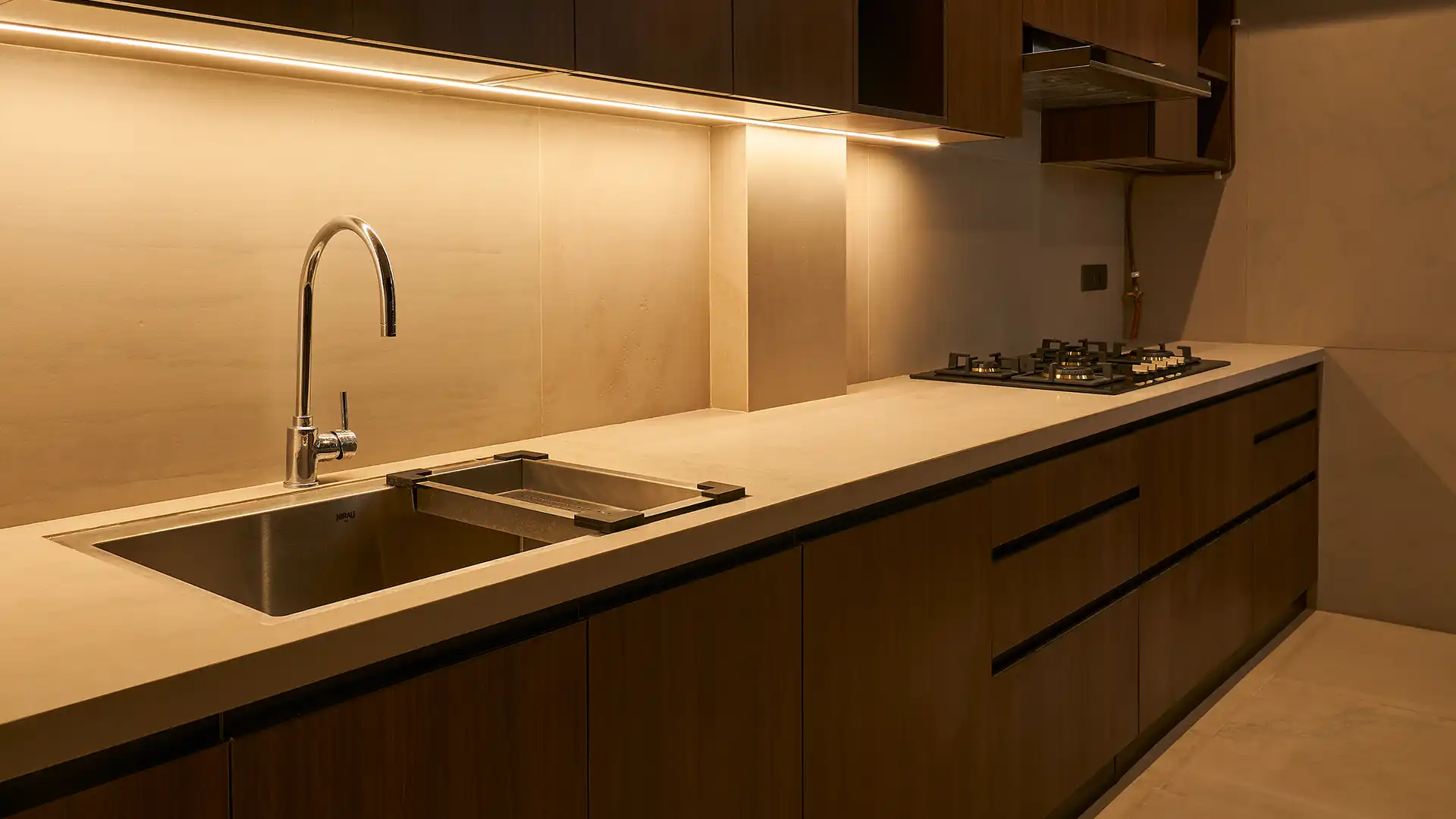
- Natural Composition: Sandstone is a combination of quartz and feldspar, lending strength and durability to the structure and maintaining a unique warm feel.
- Texture and Colour: Sandstone is available in several earthy hues, ranging from off-white to grey and red, depending on its mineral composition. Every piece has unique textures and patterns, meaning no two installations are identical.
- Contemporary Look: Sandstone is increasingly in demand in modern minimalist architectural designs, rustic themes and heritage-style architecture. The versatility of the natural stone makes it the preferred material for architects and homeowners.
Types of Sandstone Wall Cladding Finishes
The look your sandstone façade delivers will be influenced by the finish you opt for:
| Finish Type | Visual and Tactile Profile | Ideal Applications |
| Natural | Rustic and Rugged: A raw, heritage surface with good friction and grip | Exterior facades, boundary walls, and organic garden paths |
| Sawn | Clean and Minimalist: A flat surface that feels precise and sophisticated | Interior feature walls, contemporary foyers, and sleek patios |
| Rockfaced | Tactile and Refined: Enhances the natural grain and provides a “lived-in,” aged feel | Luxury indoor-outdoor transitions |
| Custom CNC | Intricate and Sculptural: Capable of 3D patterns, bespoke textures and profiles | Signature commercial lobbies, wall art, and unique architectural accents |
Key Benefits of Sandstone Wall Cladding
- Weather Resistance: Sandstone can withstand temperature changes and external weather, making it a reliable building material for exterior applications
- Durability: Sandstone wall cladding requires installation to be done with care and precision. This simple care taken at the time of installation can ensure that it lasts for decades without losing structural integrity.
- Low Maintenance: Along with care at the time of installation, regular care, like occasional cleaning and periodic sealing, ensures that the sandstone lasts for decades while retaining its original look
Comparative Matrix: Sandstone vs Premium Alternatives
For architects and interior designers, selecting a material involves balancing the visual “narrative” of a space with the long-term performance and budget constraints.
|
Factor |
Sandstone |
Ceramic/Porcelain Tiles |
|
Visual Depth |
High: Features inherent tonal shifts and geological layers |
Moderate/Low: Uniform and repetitive patterns |
|
Aging Process |
Evolutionary: Develops a rich, natural patina over time |
Static/Degrading: Can chip, crack, or lose surface glaze |
|
Aesthetic Tone |
Organic and Relaxed: Muted textures that feel “earth-born” |
Industrial: Often feels clinical or manufactured |
|
Thermal Comfort |
Low Conductivity: Naturally stays cool underfoot |
Variable: Often feels cold; poor heat regulation |
|
Economic Value |
Optimised: High-end look at a balanced price point |
Budget to Mid-range: Lower entry cost but lower resale value |
Best Applications of Sandstone Wall Cladding
- Exterior facades: Sandstone‘s sophisticated look and weatherproof structure make it an ideal material for exterior walls.
- Interior Features: The natural look lends a unique depth and texture to the interior walls, transforming the atmosphere in living rooms, lobbies, and dining areas into a warm and inviting ambience.
- Boundary Walls: Sandstone improves the overall appearance of the property, whether it be compound walls or elevations. It adds a touch of raw elegance to your design.
- Commercial Spaces: In hotels, restaurants, and offices, sandstone cladding delivers a premium and professional look. Its strength and low maintenance make it ideal for high-use environments.
Sandstone Flooring: Matching Designs for Seamless Spaces
Professional interior designers and architects select finishes and textures based on the look they want to achieve in their designs. Here is a quick guide:
| Element | Strategic Approach | Architectural Outcome |
| Coordinated Aesthetics | Matching or complementary tones between wall cladding and floor slabs | Harmonious Unity: Creates a seamless visual “envelope” that makes spaces feel larger |
| Indoor Flooring | Honed finishes are specified for interior zones | Modern Sophistication: Provides a smooth, matte surface that is easy to clean and soft underfoot |
| Outdoor Flooring | Textured finishes (natural or sanded) | Functional Safety: High slip resistance and inherent grip, essential for patios and poolside zones |
| Finish Selection | A mix of honed, matte, and natural depending on the zone | Balanced Versatility: Allows for a “tactile transition” where the material remains the same but the texture evolves |
Installation Process for Sandstone Wall Cladding
For sandstone wall cladding to last and look the same over its entire lifespan, some simple steps need to be followed at the time of installation:
- Preparation: The preparation stage involves ensuring that the surface is stable and even. This helps prevent future issues, like loosening.
- Cladding: At the cladding stage, the right adhesive and sealant must be used to keep the cladding together over the long term
- Grouting and Sealing: Lastly, grouting must be done to strengthen the joints and improve the overall finish, and sealing must be done to protect the structure from water, stains and weather damage
Maintenance Tips for Sandstone Walls and Flooring
Maintenance is essential for the care of sandstone walls and flooring. Simple steps can ensure the wall looks as fresh as day one:
- Regularly remove dirt from the surface
- Occasionally, clean with mild detergents
- Apply a sealant to reinforce the protective barrier
- Avoid harsh chemicals and acidic materials
Pricing of Sandstone Wall Cladding (2026)
Proper care must be taken during and after installation of sandstone wall cladding. The installation process and the natural sourcing of the sandstone make it one of the more premium types in interior design. It depends on many factors, including specifications, processing volume, transportation, and installation complexity, which can all add to the cost of your sandstone wall cladding. Custom sizes and finishes can also increase the overall cost.
How to Choose the Right Sandstone Supplier for Cladding Projects?
- Request a Sample: Request a sample before you place a bulk order. Check the sample for quality and consistency in thickness, colour, and finish.
- Customisation Capabilities: Check for customisation. Some projects will require custom sizes, finishes and design flexibility. Your supplier must be able to deliver that level of flexibility.
- Consistent Supply: Check for a consistent supply. Large projects need you to deliver consistent quality in large quantities without delays.